.jpg)
Can Sciatica Affect Both Legs?
Yes, sciatica can affect both legs, though it’s less common than one-sided pain. If you feel sharp, burning, or shooting pain running from your lower back into both legs, you may have nerve compression on both sides of your spine. Conditions like spinal stenosis, a central disc herniation, or spondylolisthesis can cause it. If you also notice weakness, numbness, or changes in bowel or bladder function, get urgent care. There’s more to know about causes, warning signs, and treatment, like chiropractic.
Key Takeaways
- Yes, sciatica can affect both legs, though bilateral sciatica is less common than unilateral sciatica.
- Bilateral symptoms usually mean nerve roots on both sides of the lower spine are being compressed.
- Common causes include lumbar spinal stenosis, central disc herniation, spondylolisthesis, and degenerative disc disease.
- Symptoms may include shooting leg pain, tingling, numbness, weakness, and trouble walking or balancing.
- Seek urgent care if symptoms include bowel or bladder loss, severe weakness, or rapidly worsening numbness in both legs.
Can Sciatica Cause Pain in Both Legs?
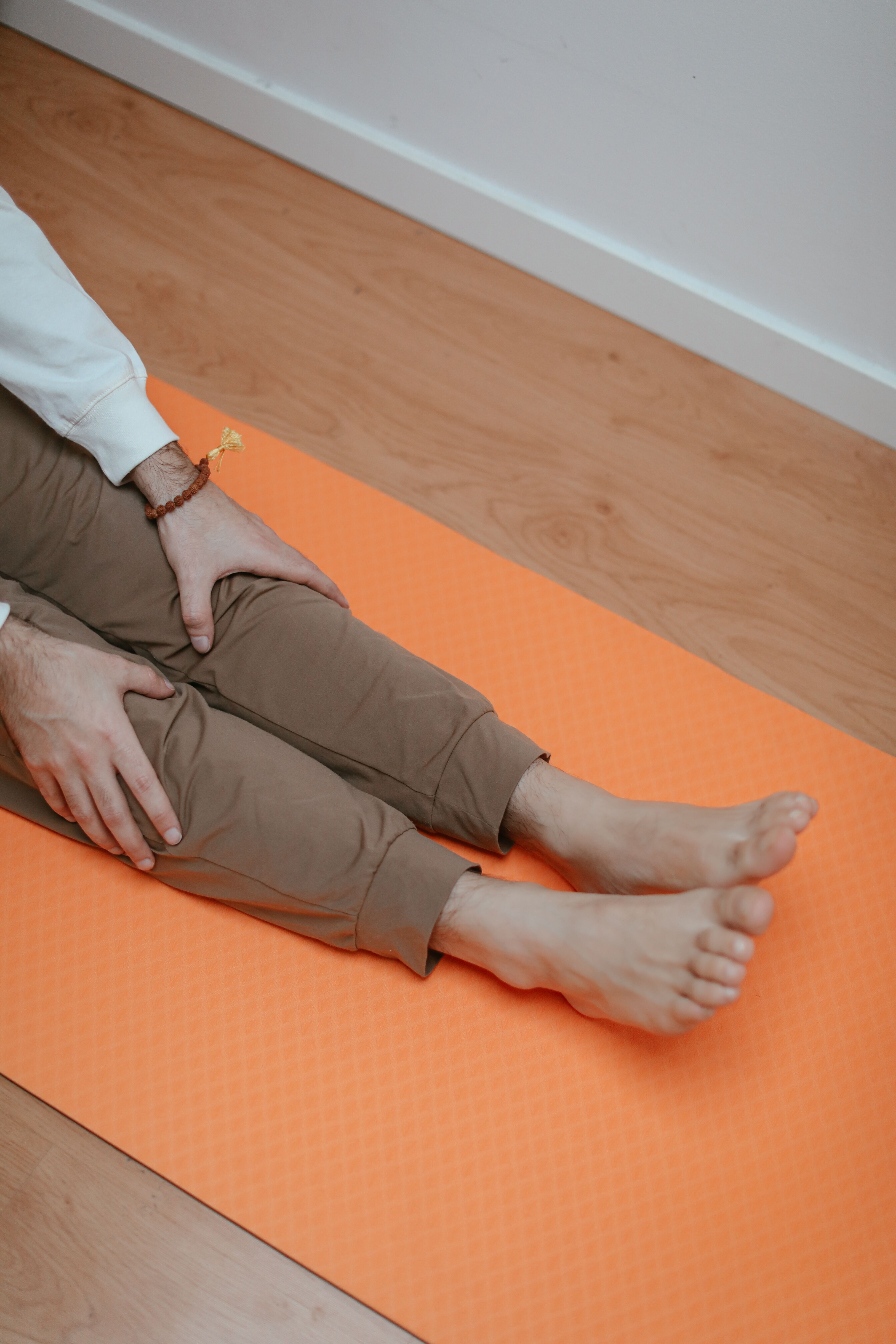
Yes—sciatica can cause pain in both legs, though it’s much less common than the typical one-sided pattern. When this happens, it’s called bilateral sciatica and often indicates nerve root compression on both sides of your lower spine. Conditions like lumbar spinal stenosis or a herniated disc can trigger this pattern.
Don't ignore bilateral pain. Prompt evaluation protects nerve function and helps guide treatment.
Your care team may suggest therapy, medications, injections, or surgery. Early action supports healing and helps you stay strong for those who depend on you.
What Are the Symptoms of Bilateral Sciatica?
Though rare, bilateral sciatica usually causes sharp, burning, or shooting pain from your lower back down both legs.
Sciatica pain may worsen after sitting, bending, or certain movements, affecting your daily activities.
Other symptoms include tingling, numbness, reduced sensation in both legs or feet, and leg weakness.
These signs can affect your balance, mobility, and daily life. Nerve compression can make daily acts harder.
What Causes Bilateral Sciatica?
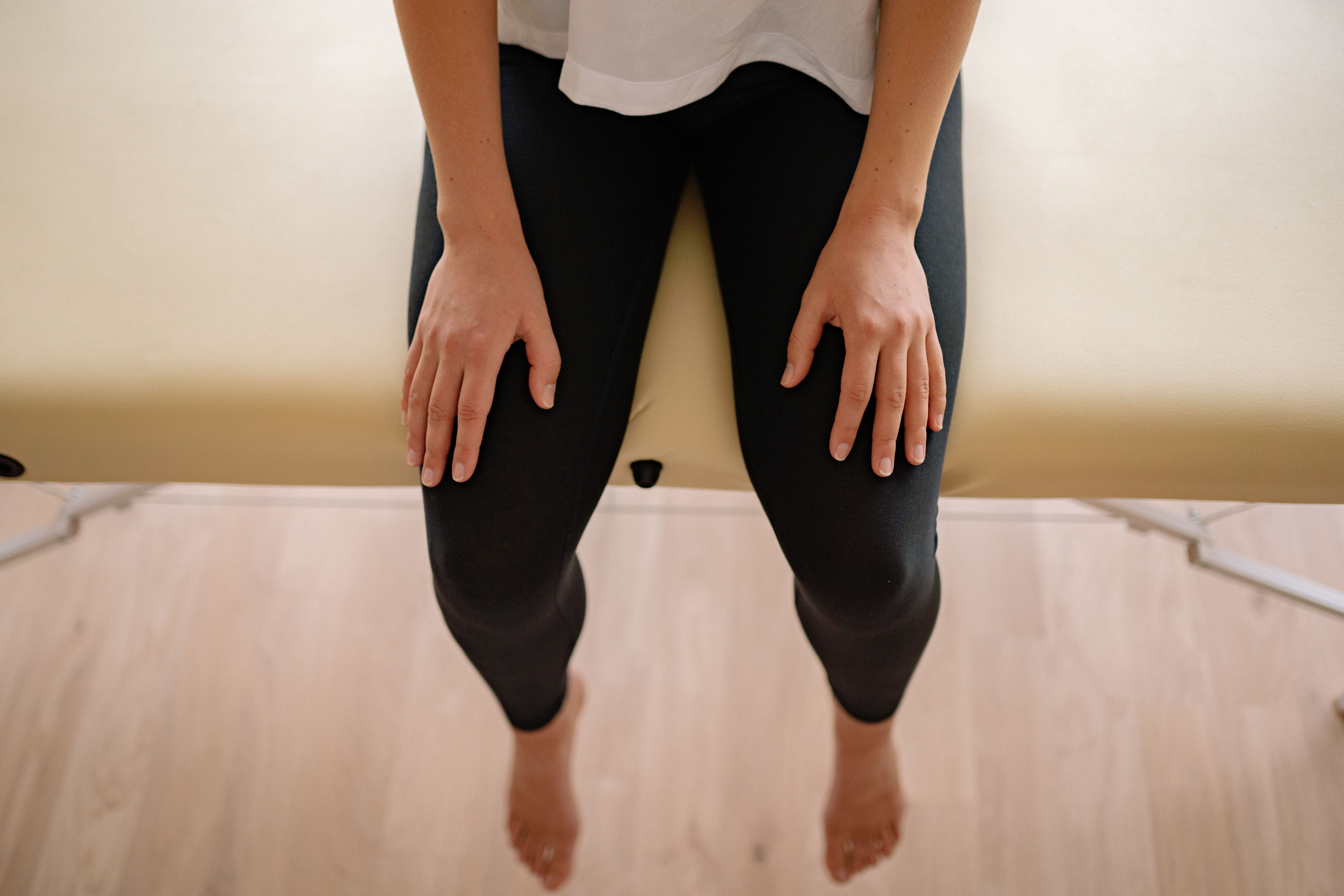
Several spinal problems can trigger bilateral sciatica by compressing nerve roots on both sides of your lower back.
You may develop bilateral sciatica due to lumbar spinal stenosis, which narrows the spinal canal and compresses nerves on both sides. Centrally herniated discs can also press on multiple roots, sending pain, tingling, or weakness down each leg.
Spondylolisthesis or degenerative disc disease can also stress nerves and produce symptoms.
Rarely, cauda equina syndrome can compress nerves, causing bilateral symptoms and needing urgent evaluation.
When Is Bilateral Sciatica an Emergency?
When should bilateral sciatica warrant emergency care?
You should act quickly if you experience certain warning signs that suggest a more serious problem. Both legs being affected can signal cauda equina syndrome—a condition needing immediate evaluation to avoid permanent nerve damage and to maintain your ability to care for yourself and others.
- Sudden pain shooting down both legs
- Severe pain with new leg weakness
- Numbness spreading through your lower body.
- Loss of bowel/bladder control at any time
- Trouble standing, walking, or moving normally
If you develop any of these symptoms, seek emergency medical evaluation right away. Early action can protect your movement, sensation, independence, and dignity, and may prevent life-changing complications.

How Is Bilateral Sciatica Diagnosed and Treated?
After ruling out emergency warning signs, your clinician will examine both legs for the source of pain with a focused exam and targeted testing.
Diagnosis includes strength, sensation, and reflex checks; imaging (MRI or CT); and possibly nerve tests.
Treatment options for bilateral sciatica aim to relieve pain and protect nerve function.
Treatment includes chiropractic adjustments, medications, physical therapy, injections, or surgery if severe. Early care helps you stay strong for others.
Conclusion: Can Sciatica Affect Both Legs
Sciatica can impact both legs, though this is less common than affecting only one. If symptoms are severe, worsening, or involve bladder or bowel changes, seek prompt evaluation to protect your nerves, mobility, and long-term spine health. See a chiropractor for sciatica in Delray Beach with Aligned Delray and Dr. Tyler Potts.
Tyler Potts
Contact Me

.jpg)
.png)
